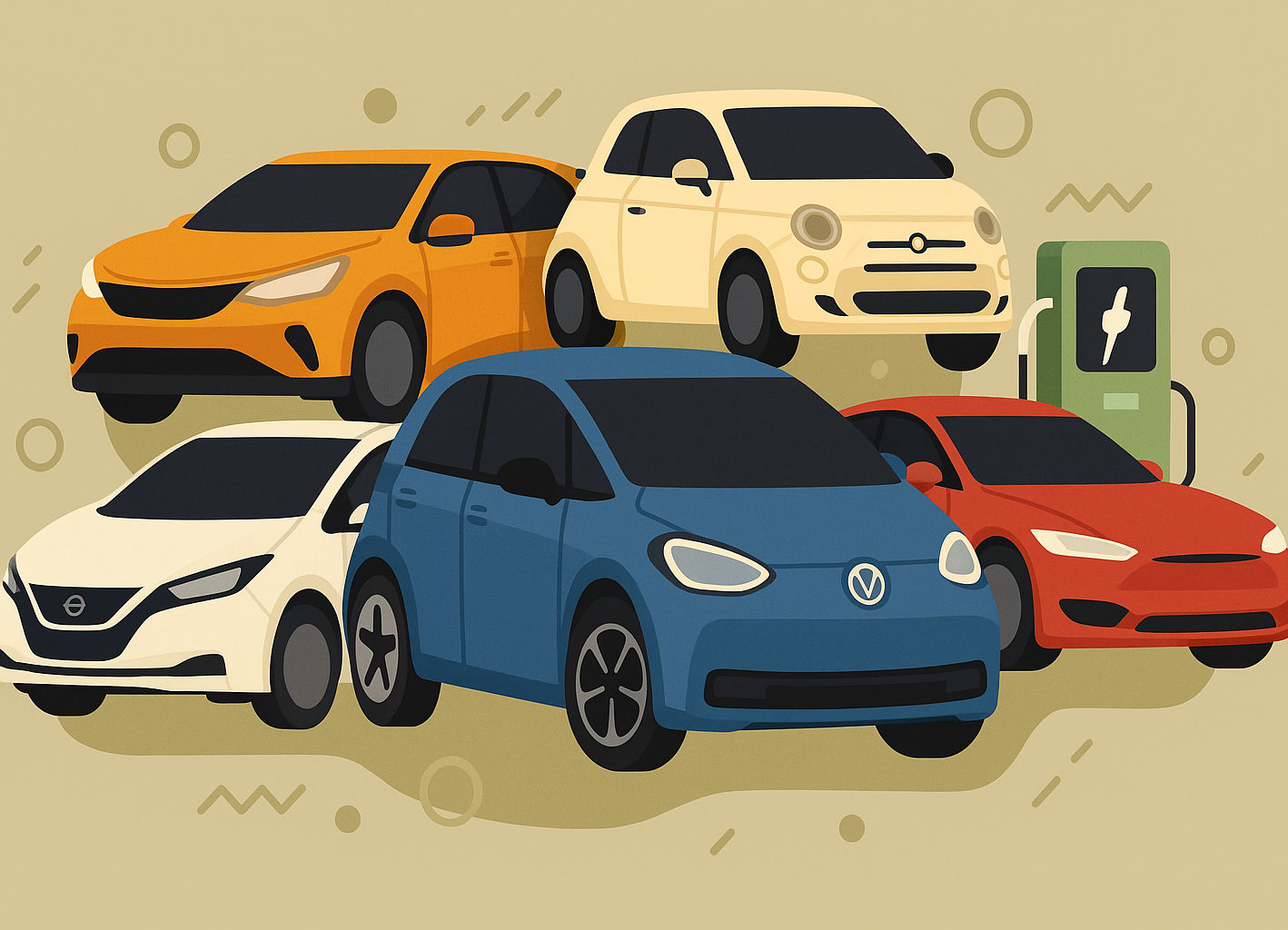
Top 10 EV Tax Incentives You Should Know
November 17, 2025
The global shift toward sustainable transportation is accelerating at an unprecedented pace, and at the heart of this revolution are electric vehicles (EVs). More than just futuristic machines, EVs have quickly become a practical choice for millions of drivers worldwide. Yet one of the strongest driving forces behind this adoption is not just technological innovation but the EV tax incentives offered by governments. These financial benefits are designed to make eco-friendly driving more affordable, encourage cleaner air, and reduce reliance on fossil fuels. Understanding these incentives is critical because they often determine how much you can save upfront and over time.
While EVs can still be more expensive than traditional cars in terms of purchase price, tax credits, rebates, and exemptions significantly lower the real cost of ownership. For many, these incentives are the tipping point that makes electric mobility accessible. They come in many forms: federal credits, state or regional rebates, sales tax exemptions, reduced registration fees, and even incentives tied to charging infrastructure. Each one offers a unique opportunity to maximize savings while supporting the transition to a cleaner future.
In this article, we’ll explore the top 10 EV tax incentives you should know. Whether you are considering your first electric car, looking to upgrade to a newer model, or simply trying to better understand how policies support sustainable choices, this guide will break down the most impactful incentives in detail. By the end, you will have a clear roadmap of how to take full advantage of EV-friendly financial support while enjoying the benefits of cleaner, smarter transportation.
10. Incentives for Used Electric Vehicles

A newer and increasingly important category is incentives for used EVs. As the second-hand market grows, governments are introducing benefits to ensure affordability extends beyond first-time new car buyers. In the U.S., the Inflation Reduction Act created a tax credit of up to $4,000 for qualifying used EV purchases, provided the vehicle meets certain requirements and the buyer falls below income thresholds.
This is significant because it opens the EV market to a much broader audience. While new electric cars may still carry premium prices, used models are becoming more affordable, and tax incentives push costs even lower. For many households, this makes owning an EV realistic for the first time.
Globally, similar programs are emerging. The U.K., for instance, provides grants for used EV purchases, while some regions in Canada offer rebates that apply even to older electric models. These policies help maintain demand for EVs across their lifecycle, ensuring sustainable transportation is not restricted to early adopters.
By incentivizing pre-owned purchases, governments expand the reach of electrification, create a healthy resale market, and prevent EVs from becoming financially inaccessible. Used EV incentives are proving to be a key bridge in the transition toward universal electric mobility.
9. International EV Tax Incentives

While much of the discussion centers on the United States, international EV incentives are among the most aggressive in the world. Norway, for example, has achieved the highest per capita EV adoption by combining VAT exemptions, free public parking, and reduced ferry fares. China, the world’s largest EV market, offers subsidies, tax breaks, and priority registration plates for electric cars in congested cities.
European Union countries like Germany and France provide thousands of euros in purchase rebates, often combined with scrappage programs for older vehicles. These programs not only reduce the upfront cost but also create a strong cultural momentum around electric mobility. In Canada, federal and provincial incentives stack together, offering some buyers over $10,000 in combined savings.
For global buyers or those considering relocation, it’s crucial to research local policies since incentives vary widely. Some are direct financial benefits, while others provide lifestyle perks such as free charging or access to restricted urban zones.
The takeaway is clear: international EV tax incentives play a pivotal role in shaping adoption rates, and studying their success stories provides valuable insights into the future of clean transportation worldwide.
8. Incentives for Commercial Fleets

Governments are increasingly targeting commercial operators with fleet-focused EV incentives. Large delivery networks, ride-sharing services, and corporate fleets represent significant contributors to emissions, making their transition critical for climate goals.
Programs like California’s Hybrid and Zero-Emission Truck and Bus Voucher Incentive Project (HVIP) provide substantial funding for companies purchasing electric trucks or vans. In Europe, similar initiatives offer tax breaks or direct subsidies for electrifying fleets, ensuring that logistics and public transportation play their part in reducing emissions.
These incentives often scale based on the size of the fleet, meaning larger businesses can secure millions in funding while smaller operators still benefit from reduced costs. They may also include grants for installing on-site charging infrastructure, helping businesses overcome one of the largest barriers to electrification.
By targeting the commercial sector, fleet incentives amplify the environmental impact of tax benefits. A single electric bus or delivery van removes emissions equivalent to multiple personal vehicles, making these programs a critical piece of sustainable transportation policy.
7. Exemptions from Road Tolls and Congestion Charges

In many urban areas, drivers face daily costs in the form of road tolls or congestion charges. To promote clean air, governments frequently exempt electric vehicles from these fees. This is particularly impactful in cities like London, where congestion charges can exceed $15 per day, or in Scandinavian countries where toll roads are common.
For commuters, this incentive can translate into thousands of dollars in annual savings. It also creates a strong behavioral push, rewarding those who contribute to better urban air quality. The policy has proven successful in cities battling smog, as drivers recognize the tangible financial advantage of switching to electric.
In addition to exemptions, some regions also provide discounts for EVs instead of full waivers, further reducing costs. Beyond the monetary value, avoiding toll booths or special congestion lanes often adds convenience and time savings, making the daily commute smoother.
When combined with other perks like access to carpool lanes, these toll and congestion exemptions transform EVs into not just environmentally friendly options but also practical solutions for city living.
6. Employer and Utility Company Incentives

An often-overlooked layer of support comes from employers and utility companies, who recognize the benefits of promoting electric mobility. Some employers offer tax-free allowances or direct rebates to employees who purchase EVs, treating it as part of a sustainability or commuter benefits program. This not only helps staff financially but also positions companies as environmentally responsible.
Utility companies, meanwhile, provide incentives directly tied to energy consumption. For example, many utilities in the U.S. and Europe offer special EV charging rates that make electricity cheaper during off-peak hours. Others give rebates for installing Level 2 chargers at home or provide bill credits for enrolling in smart charging programs that help balance grid demand.
These incentives go beyond traditional government tax benefits and demonstrate how broader ecosystems are working together to support clean transportation. For buyers, the savings can be significant when stacked with federal and state programs. For instance, a utility rebate for a charging station combined with a federal tax credit can nearly eliminate installation costs.
The growing collaboration between businesses, utilities, and individuals ensures EV incentives reach deeper into communities, creating a network of benefits that reduce both upfront and ongoing costs of ownership.
5. Incentives for Installing Home Charging Stations

Transitioning to an electric vehicle is not only about the car itself but also about charging infrastructure. To support this, governments often provide tax credits or rebates for the installation of residential charging stations. In the United States, the Alternative Fuel Infrastructure Tax Credit allows homeowners to claim up to 30% of installation costs, capped at $1,000.
This incentive is particularly valuable because home charging is the most convenient and cost-effective way to keep an EV powered. While public charging networks are expanding, daily charging at home ensures drivers start each day with a full battery. Installation can involve electrical upgrades, permits, and labor costs that easily exceed $1,000, so having a portion covered makes the transition smoother.
Some states and utilities go further by offering rebates on equipment, subsidized installation programs, or even free smart chargers when you purchase an EV. These programs are designed to ease the burden on the grid by encouraging drivers to charge during off-peak hours, aligning personal savings with broader energy efficiency.
Ultimately, charging station incentives make home charging accessible to more households, enhancing the practicality of EV ownership and ensuring a seamless transition from fossil fuels to electricity.
4. Reduced Vehicle Registration Fees

Many regions have adjusted their vehicle registration fees to reward drivers of electric cars. Registration is a recurring cost of ownership, and while it may seem small compared to the purchase price, reduced fees add up over years of use.
In places like New Jersey, EVs benefit from reduced or even waived registration fees, making them more cost-effective to maintain on an annual basis. Some countries in Europe also implement this strategy, where traditional combustion vehicles face progressively higher fees based on emissions output, while EVs enjoy preferential treatment with minimal costs.
This approach not only reduces financial strain for EV owners but also serves as a subtle nudge away from high-emission cars. When coupled with other benefits like dedicated EV license plates or access to carpool lanes, reduced registration fees create a holistic package of convenience and savings.
For fleet operators or families with multiple vehicles, the long-term impact is particularly noticeable. Over a decade, reduced fees can equate to thousands of dollars in additional savings. Though smaller in scale than purchase rebates, registration fee incentives play an important role in keeping ownership costs low and ensuring EVs remain an attractive option well after the initial purchase.
3. Sales Tax Exemptions and Reductions

One often-overlooked but highly impactful incentive is the sales tax exemption available in certain regions. Sales tax can add a substantial amount to the cost of a new vehicle, particularly in states or countries where rates range from 6% to 10%. By exempting EVs from this tax, governments effectively lower the total transaction cost by thousands of dollars.
For example, Washington State offers a sales tax exemption on qualifying electric cars, allowing buyers to skip the typical 6.5% state sales tax. On a $40,000 vehicle, that’s a direct savings of $2,600 right at purchase. Similarly, international markets like Norway pioneered this approach, exempting EVs from VAT entirely, which has played a massive role in making EVs the dominant choice there.
The benefit of this incentive is its immediacy. Unlike tax credits that require filing paperwork and waiting until tax season, a sales tax exemption applies at the dealership, instantly reducing the cost of purchase. It also tends to be more inclusive, as it doesn’t depend on your personal income tax situation.
By eliminating a significant portion of upfront costs, sales tax exemptions ensure EV adoption is financially competitive from day one. For buyers on the fence, this simple, transparent savings opportunity can provide the final push toward choosing electric.
2. State-Level Rebates and Credits in the U.S.

Beyond federal support, state-level EV rebates and credits are a vital layer of financial assistance for buyers. States like California, New York, and Colorado have led the charge, offering thousands of dollars in additional rebates or tax credits that can be stacked on top of federal incentives. For instance, California’s Clean Vehicle Rebate Program provides up to $7,500 depending on income qualifications, while Colorado offers a generous tax credit that lowers the cost of ownership even further.
These state programs are often structured to encourage equity, meaning households with lower to moderate incomes can receive larger rebates, ensuring EV adoption is not limited to wealthy buyers. In some cases, states also extend credits to businesses and fleet owners, supporting broader adoption across the transportation sector.
Local rebates usually apply at the point of sale or are claimed after purchase through a straightforward application process. Unlike the federal tax credit, some states allow cash rebates even if you owe little or no tax, making them more accessible to a wider group of buyers. Additionally, certain states offer bonus incentives if you are trading in a gas-powered vehicle, further encouraging a complete transition toward zero emissions.
When combined with federal programs, state-level incentives can slash thousands more off the purchase price of an EV. For buyers in high-incentive regions, this can make the cost of a brand-new electric vehicle comparable to or even cheaper than a similar gas model.
1. Federal EV Tax Credit in the United States

Perhaps the most well-known incentive is the Federal EV Tax Credit in the United States, a program that has significantly boosted adoption rates since its introduction. Currently, eligible buyers of new electric vehicles can claim up to $7,500 in tax credits, depending on the battery size and where the vehicle is manufactured. The exact savings vary by model and are tied to specific requirements under the Inflation Reduction Act, which reshaped the program to encourage domestic production of batteries and EV components.
What makes this incentive particularly valuable is its direct impact on reducing the purchase price. Instead of waiting years to realize fuel and maintenance savings, buyers feel the financial benefit right at tax season. For households considering models like Tesla, Ford, or Chevrolet, the incentive can transform a high sticker price into something far more competitive with traditional gas-powered cars.
However, one crucial detail is that the federal tax credit is non-refundable, meaning you can only use it against the taxes you owe. For example, if you qualify for $7,500 but only owe $5,000 in federal taxes, you cannot receive the remaining balance as a refund. This makes it important to plan purchases with your personal tax situation in mind.
Ultimately, the Federal EV Tax Credit remains one of the most powerful tools to reduce upfront EV costs, helping millions of Americans make the switch to sustainable driving.
Final Thoughts
The future of transportation is undeniably electric, but affordability remains a decisive factor for mass adoption. That is why EV tax incentives play such an essential role. From the headline-grabbing U.S. Federal EV Tax Credit to state-level rebates, sales tax exemptions, and international models like Norway’s VAT exemption, these programs collectively reduce costs and expand access. Incentives do more than just lower prices; they build confidence in new technology, encourage infrastructure development, and align personal savings with societal benefits like cleaner air and reduced carbon emissions.
For individuals, these incentives mean the chance to drive cutting-edge vehicles without breaking the bank. For businesses, they unlock opportunities to electrify fleets and contribute to sustainability goals. For governments, they serve as one of the most effective policy tools to combat climate change. As programs evolve, keeping track of eligibility requirements, expiration dates, and stacking opportunities is key to maximizing your benefits.
In the end, the top 10 EV tax incentives highlighted here show how financial support accelerates adoption across every segment of society. By leveraging these programs, buyers not only save money but also play a direct role in building a cleaner, more sustainable future. Electric mobility is no longer a distant dream—it is a present reality, made more affordable and accessible through the powerful influence of smart tax incentives.